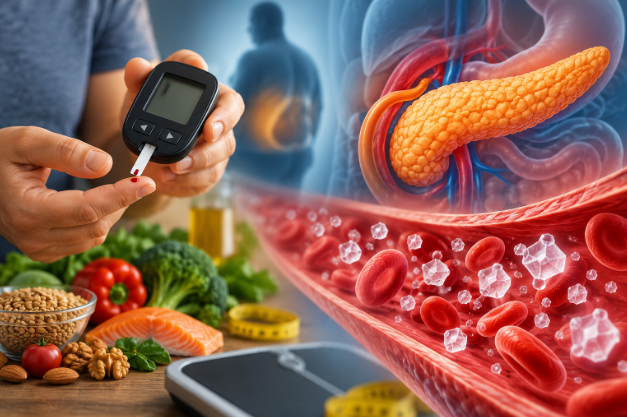
Type 2 diabetes is one of the most common chronic metabolic conditions worldwide. It is characterised by elevated blood glucose levels and usually develops gradually, meaning that many people live with the condition without realising they have it.
What Is Type 2 Diabetes?
Type 2 diabetes is a chronic metabolic condition characterised by hyperglycaemia, or elevated blood glucose levels.
To understand how it develops, we first need to look at the role of insulin.
Insulin is a hormone produced by the beta cells of the pancreas. One of its main functions is to help tissues take up and use glucose while regulating glucose production by the liver.
Two main abnormalities contribute to the development of type 2 diabetes.
The first is insulin resistance. This occurs when the body’s tissues, particularly the muscles, liver, and adipose tissue, become less responsive to insulin.
The second is pancreatic beta-cell dysfunction. The pancreas is unable to produce enough insulin to compensate for the body’s increased requirements.
In the early stages, the pancreas may increase insulin production to maintain normal blood glucose levels. However, when this compensation is no longer sufficient, blood glucose begins to rise. This may initially lead to prediabetes and eventually to type 2 diabetes.
The process is complex and involves multiple mechanisms, including genetic factors, metabolic changes, and abnormalities in the function of different organs. [1]
How Common Is Type 2 Diabetes?
Type 2 diabetes is the most common form of diabetes.
According to the World Health Organization (WHO), approximately 830 million people worldwide were living with diabetes in 2022, compared with around 200 million in 1990.
These estimates refer to all types of diabetes, rather than type 2 diabetes alone. However, type 2 diabetes accounts for the vast majority of cases. [2,3]
What Are the Symptoms of Type 2 Diabetes?
Symptoms of type 2 diabetes often develop gradually over several years.
For some people, they may be so mild that they go unnoticed, while others may experience no symptoms at all.
Common Symptoms Include:
- Frequent urination: An increased need to urinate, particularly during the night.
- Excessive thirst: Increased fluid loss through urination can lead to dehydration and greater thirst.
- Fatigue: Feeling unusually tired or lacking energy.
- Blurred vision: High blood glucose levels can cause temporary changes in vision.
- Increased hunger: Some people may feel hungry more often or experience a stronger appetite.
- Slow wound healing: Cuts and minor injuries may take longer than usual to heal.
- Frequent infections: Particularly urinary tract infections and fungal infections.
- Unexplained weight loss: This may occur, especially when blood glucose levels are significantly elevated.
- Numbness or tingling: Particularly in the feet and hands, which may be associated with peripheral neuropathy.
It is important to understand that these symptoms are not specific to diabetes and may also occur with other medical conditions.
Having no symptoms does not rule out diabetes. For this reason, screening with appropriate blood tests is particularly important for people at increased risk of developing type 2 diabetes. [3,4]
What Causes Type 2 Diabetes?
Type 2 diabetes does not have a single cause.
It develops through a complex interaction of genetic predisposition, metabolic abnormalities, and environmental factors.
1. Genetic Predisposition
Family history is an important risk factor.
People who have a parent or sibling with type 2 diabetes are more likely to develop the condition themselves.
The genetic contribution is complex, involving numerous genes that influence pancreatic beta-cell function, insulin secretion, and the sensitivity of tissues to insulin. [1,4]
2. Excess Body Weight and Obesity
Excess body weight, particularly when accompanied by increased visceral fat, is a major risk factor for type 2 diabetes.
Increased body fat may be associated with metabolic and inflammatory changes that contribute to insulin resistance.
However, not everyone with obesity develops type 2 diabetes, and the condition can also occur in people with a normal body weight.
Body weight is therefore an important risk factor, but it is not the only factor that determines whether someone develops the condition. [1,4]
3. Physical Inactivity
Physical inactivity is associated with reduced insulin sensitivity and an increased risk of developing type 2 diabetes. [2]
By contrast, regular physical activity helps improve glucose uptake and utilisation by muscles and supports metabolic health.
4. Dietary Habits
Dietary habits can influence the risk of developing type 2 diabetes.
Regular consumption of sugar-sweetened beverages, low dietary fibre intake and certain dietary patterns characterised by high consumption of processed foods have been associated with an increased risk.
However, the relationship between diet and diabetes is complex and involves multiple factors.
Eating sugar or carbohydrates alone is not sufficient to explain why type 2 diabetes develops. [1,5]
5. Age and Other Risk Factors
The risk of developing type 2 diabetes increases with age, although the condition can also affect children, adolescents and young adults.
People with a history of gestational diabetes, prediabetes, polycystic ovary syndrome (PCOS) or certain metabolic disorders are also at increased risk.
Hypertension, dyslipidaemia and metabolic dysfunction-associated steatotic liver disease (MASLD) are also commonly associated with an increased risk of type 2 diabetes. [4,6]
How Is Type 2 Diabetes Diagnosed?
Diabetes is diagnosed using specific laboratory blood tests.
According to the American Diabetes Association (ADA) diagnostic criteria for 2026, diabetes can be diagnosed when any of the following criteria are met:
| Test | Diagnostic Threshold |
|---|---|
| Glycated haemoglobin (HbA1c) | ≥6.5% |
| Fasting plasma glucose | ≥126 mg/dL |
| Oral glucose tolerance test (75 g OGTT) | ≥200 mg/dL at 2 hours |
| Random plasma glucose | ≥200 mg/dL in the presence of classic symptoms of hyperglycaemia or a hyperglycaemic crisis |
These criteria apply to non-pregnant individuals.
In the absence of unequivocal hyperglycaemia, the diagnosis must be confirmed by a second abnormal result, either from the same test or from a different diagnostic test. [7]
HbA1c
HbA1c reflects average blood glucose exposure over approximately the previous two to three months.
It is an important tool for both diagnosing and monitoring diabetes.
However, its reliability can be affected by certain conditions, including red blood cell disorders, haemoglobinopathies and some types of anaemia.
In these cases, diagnostic tests based on plasma glucose measurements may be preferred. [7]
Fasting Plasma Glucose
This test measures blood glucose levels after at least eight hours without consuming any calories.
A fasting plasma glucose level of ≥126 mg/dL meets the diagnostic threshold for diabetes, provided the result is confirmed according to the relevant diagnostic criteria.
Oral Glucose Tolerance Test (OGTT)
The oral glucose tolerance test assesses how well the body handles a specific amount of glucose.
The test involves drinking a solution containing 75 g of glucose, followed by a plasma glucose measurement two hours later.
A two-hour plasma glucose level of ≥200 mg/dL meets the diagnostic threshold for diabetes. [7]
These tests can confirm the presence of diabetes, but they do not always establish which type a person has.
In people with an atypical clinical presentation, additional tests, such as diabetes-related autoantibody testing or C-peptide measurement, may be necessary.
How Is Type 2 Diabetes Treated?
Treatment for type 2 diabetes is tailored to the individual and involves a combination of lifestyle changes, medication, and regular medical monitoring.
The goal is not simply to lower blood glucose levels, but also to reduce the risk of cardiovascular, kidney and other diabetes-related complications.
1. Diet and Physical Activity
Diet plays a central role in managing type 2 diabetes.
Current guidelines do not recommend a single dietary pattern for everyone with the condition.
Instead, they emphasise personalised nutrition plans and the importance of choosing nutrient-rich foods.
A balanced diet may include vegetables, fruits, legumes, whole grains, nuts, olive oil and suitable sources of protein.
The Mediterranean diet is one dietary approach with well-documented metabolic and cardiovascular benefits.
Regular physical activity improves insulin sensitivity and helps maintain healthy blood glucose levels.
For most adults with diabetes, recommendations include at least 150 minutes of moderate-to-vigorous aerobic activity per week, along with resistance training two to three times a week.
Exercise recommendations should be adapted to each person’s abilities and health status. [5]
2. Weight Management
For people living with overweight or obesity, weight loss can significantly improve blood glucose control.
In some cases, it may even lead to remission of type 2 diabetes.
In a randomised clinical trial known as DiRECT, 46% of participants who followed an intensive, structured weight management programme achieved diabetes remission after 12 months, compared with 4% in the control group. [8]
However, these findings relate to a specific population of people who had been diagnosed with type 2 diabetes relatively recently. They should not be considered representative of everyone living with the condition.
Furthermore, remission does not mean that diabetes has been permanently cured.
3. Medication
Depending on individual needs, medication may be necessary to lower blood glucose levels and help prevent complications.
The main treatment options include:
- Metformin
- SGLT2 inhibitors
- GLP-1 receptor agonists
- Dual GIP/GLP-1 receptor agonists
- Insulin
According to the new joint ADA/EASD consensus report published in 2026, treatment decisions should consider not only blood glucose levels but also the presence of cardiovascular disease, heart failure, chronic kidney disease and other coexisting medical conditions. [9]
Conclusion
Type 2 diabetes is a chronic, multifactorial metabolic condition characterised by insulin resistance and an inadequate compensatory response from pancreatic beta cells.
Early diagnosis is particularly important, as the condition can remain asymptomatic for a long time.
Although type 2 diabetes can lead to serious complications, modern treatments offer significant benefits for blood glucose management and the protection of the heart, kidneys, and other organs.
Effective management relies on personalised care, working closely with healthcare professionals and regular monitoring.