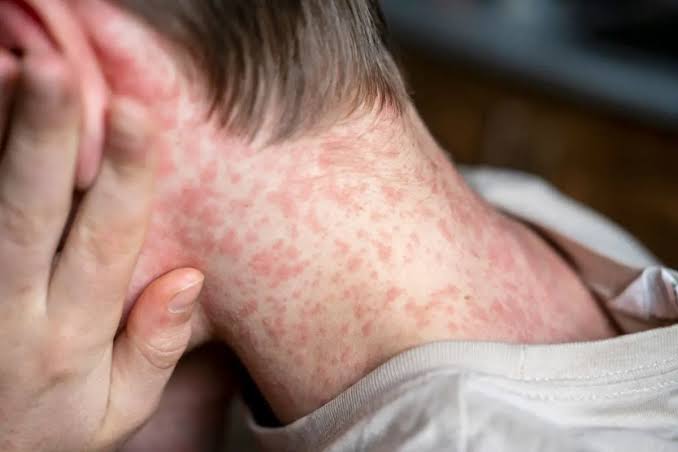
Another death linked to complications from measles has been reported in Pennsylvania, USA, as the state continues to face a major outbreak of the disease.
A 40-year-old woman from Jefferson County died on September 12, 2026, and the county coroner reported that her death was associated with complications from measles. The case was reported one day after the state’s latest official update and therefore had not yet been included in the figures published by the Pennsylvania Department of Health on September 11.
According to the official update from the Pennsylvania Department of Health, as of September 11, 2026, 676 measles cases had been confirmed across 37 counties, while 124 people had required hospitalization. At that time, the state had officially recorded two measles-associated deaths.
Those two deaths, previously confirmed by the Pennsylvania Department of Health, were the first measles-associated deaths reported in the state in approximately 35 years. Both individuals were unvaccinated.
The outbreak data also highlight the substantial difference vaccination can make. Of the 676 confirmed cases recorded as of September 11, only four occurred in people who were appropriately vaccinated for their age, according to the Pennsylvania Department of Health.
What Is Measles?
Measles is a highly contagious viral disease. According to the Centers for Disease Control and Prevention (CDC), symptoms usually begin 7–14 days after infection and commonly include high fever, cough, runny nose, and red, watery eyes. A few days later, the characteristic rash typically appears, beginning on the face before spreading to the rest of the body.
However, measles is not simply a rash. The CDC states that the disease can cause serious complications, including pneumonia and encephalitis, lead to hospitalization and, in some cases, result in death. Approximately 1 in every 1,000 children who develop measles may experience acute encephalitis, while in the United States an estimated 1–3 in every 1,000 children infected with measles may die from respiratory or neurological complications.
People at greater risk of serious complications include children younger than 5 years, adults older than 20 years, pregnant women, and people with weakened immune systems.
The Role of Vaccination
Vaccination is the main preventive measure against measles. According to the CDC’s official recommendations, one dose of a measles-containing vaccine is approximately 93% effective, while two doses are approximately 97% effective.
The ongoing outbreak in Pennsylvania serves as a reminder that although measles has been dramatically reduced through vaccination, the virus can spread rapidly when it reaches populations without sufficient immunity.
Comments
💬 Join the discussion